Bridging the fortification gap in the Philippines
Nutrition International is leading a collaborative effort to improve the micronutrient status of women, adolescent girls and children in the Philippines by improving fortification policies.

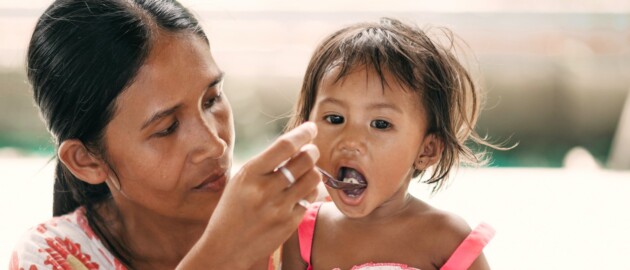
Good nutrition is the foundation for human development.
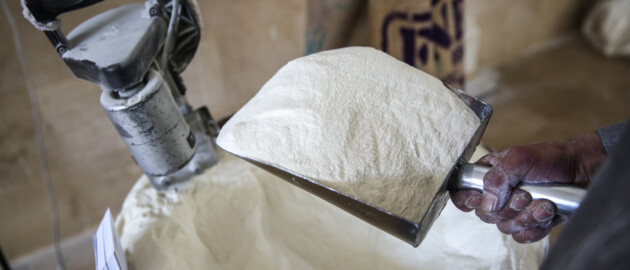
We are committed to reducing malnutrition for all people, leading the way on salt iodization and food fortification initiatives that can effectively combat widespread micronutrient deficiencies.
Malnutrition results in millions of lost lives, lost productivity and increased health burdens that last lifetimes.
A well-nourished, healthy and educated population is the foundational prerequisite for growth and economic development.
Healthy and productive people have more income, pay more taxes and build a country’s capacity to contribute its own resources towards essential services, such as quality education and improved healthcare.
Almost all countries face a serious burden of either two or three forms of malnutrition, including:
The World Bank estimates that all forms of malnutrition cost the global economy $3.5 trillion per year.
Anaemia is a global public health problem that affects all population groups.
WHO estimates that around the world, anaemia affects:
Anaemia results in ill-health and negatively impacts economic and social development.
With two billion people at risk globally, iodine deficiency is a similarly widespread problem.
Iodine deficiency can have far-reaching effects on both maternal health during pregnancy and result in babies born with neural tube defects and impaired cognitive development during early childhood.
Iodine deficiency also has adverse effects for adult women and men, including low energy levels and decreased capacity for work.
Discover our projects around the world
Browse our complete list of projects to learn about how we deliver high-impact, low-cost, evidence-based nutrition programs for those who need it most.
With support from the Bill & Melinda Gates Foundation, we will help to take Pakistan's large-scale food fortification programs to the next level.
Related